


The Iran War Just Made Your Kitchen 300 Rupees Poorer Every Month

Updated: Jul 4
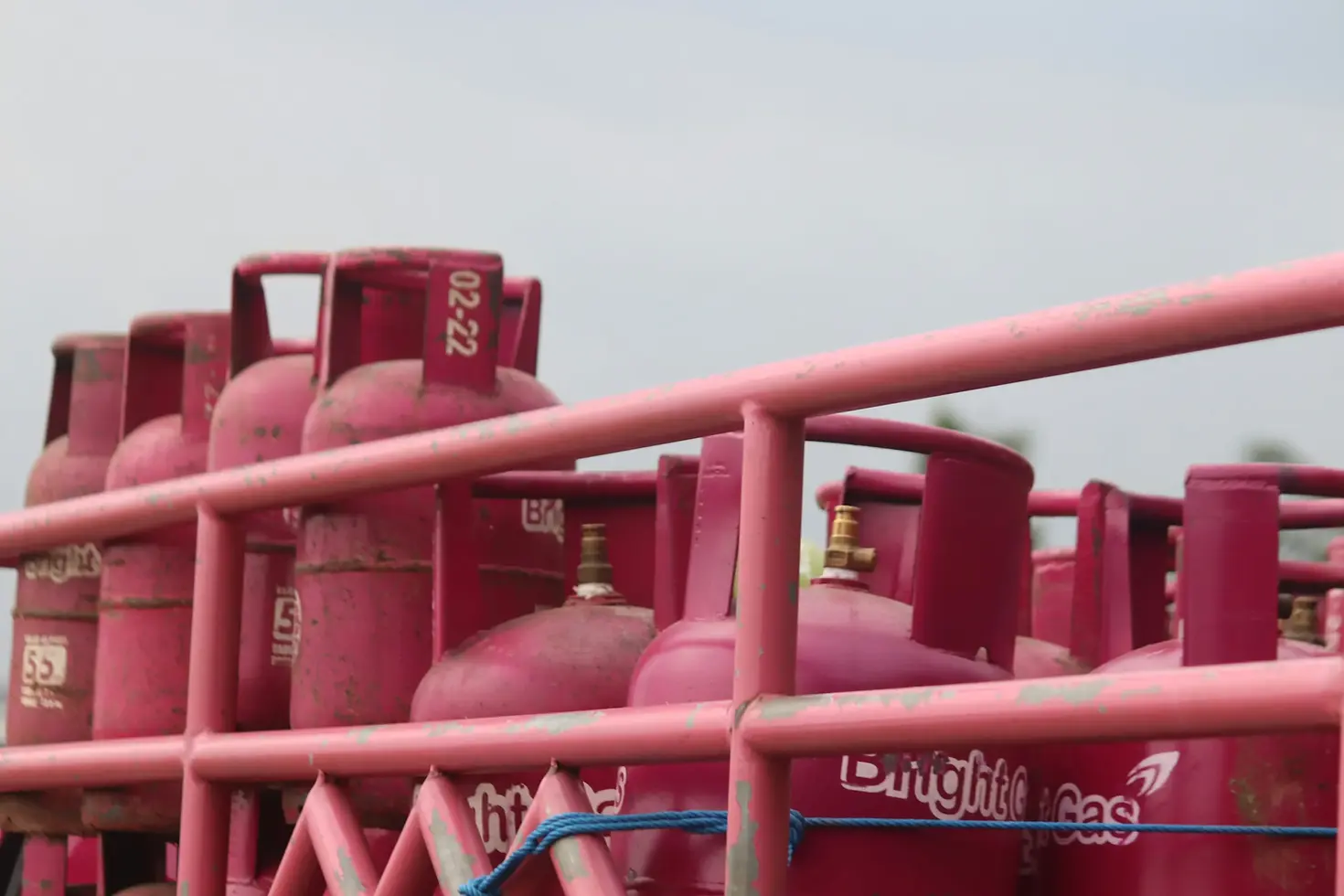
Your LPG cylinder just got pricier again (The Wire). Since the Iran war began in late February, a domestic cooking gas cylinder in India has climbed by more than 300 rupees. Commercial cylinders have it worse, past 2,000 rupees in Delhi after a 195 rupee hike in a single revision. If you thought the worst of India's inflation story was over, April 2026 has bad news for your monthly budget, bhai.
The Strait of Hormuz is why your kitchen is hurting. Close to 20 percent of the world's oil passes through this narrow stretch of water between Iran and Oman, and the war has turned it into one of the riskiest shipping lanes on the planet.
Tankers are rerouting. Insurance premiums have shot up. Every extra rupee of that cost lands on Indian consumers, because the country imports more than 85 percent of its crude oil and has no real backup plan for that kind of dependency, yaar.
India brings in close to 60 percent of its LPG needs from abroad, and about 90 percent of that supply travels through the strait. Roughly 55 percent of the country's crude oil imports come from West Asia too, so this is not a one product problem.
There is no quick fix here.
Why the Iran War Is Hitting Restaurants Hardest
Small restaurants and dhabas that run on commercial cylinders are watching input costs explode overnight. Reports of temporary closures are coming in from major cities, and migrant workers in the food service industry are heading home because the math simply does not work anymore. A 10 percent jump in commercial prices in a single month is brutal for a small business.
The government did step in. Commercial LPG allocation was raised to 70 percent of pre war levels, up from 50 percent, after the initial supply curbs. It is relief, arre, but it is not the same as prices actually coming down.
According to Scroll.in, the Moody's downgrade follows similar revisions from other global agencies. The Iran war has created an energy shock that is different from past disruptions, because this time the Strait of Hormuz itself is at risk, not just one supplier. That is a new kind of exposure for India.
Average inflation for FY27 is now projected near 4.8 percent, roughly double last year's pace, and the OECD expects growth to slow to about 6.1 percent from 7.6 percent.
A separate Ernst and Young analysis flagged something sharper. Real GDP growth this year could erode by close to 1 percentage point, and retail inflation could climb 1.5 percent above baseline, if the West Asia war runs through the entire fiscal year, samjho.
What India Can Actually Do About the Iran War Fallout
The government has limited options in the short term, arre. Strategic petroleum reserves can cushion emergencies lasting weeks, not a prolonged war. Domestic crude production covers barely 15 percent of demand. The push toward renewables and electric mobility is real, but those are multi year shifts that will not help a family in Patna whose cooking gas bill has jumped 25 percent since January.
Some of the answer is already under construction. India's new fast breeder reactor at Kalpakkam is meant to chip away at exactly this kind of import dependence over time, but that is a decade long project, not a fix for this month's grocery bill, matlab.
There is a political angle too. Five states are mid election right now, and LPG prices are already a campaign issue. The ruling party is stuck between fiscal reality and voter anger, and the opposition is hammering kitchen economics every single day. The timing could not be worse for anyone in power.
Even gig workers are feeling it. Drivers on the new zero commission Bharat Taxi platform say every extra rupee on fuel eats straight into what they take home, batao.
Three hundred rupees a month sounds small until you do the yearly math.
Multiply that across a household of four for a year and it is close to fifteen thousand rupees, quietly gone, for a war you had no vote in and no stake in. The vegetable vendor feels the diesel surcharge before any minister does. So does the family switching to a smaller cylinder to make it stretch. What is your grocery bill telling you this month?


Comments