


Indian Hotels and Airlines Just Crashed the Food Delivery Party and Swiggy Should Be Nervous

Updated: Jul 5
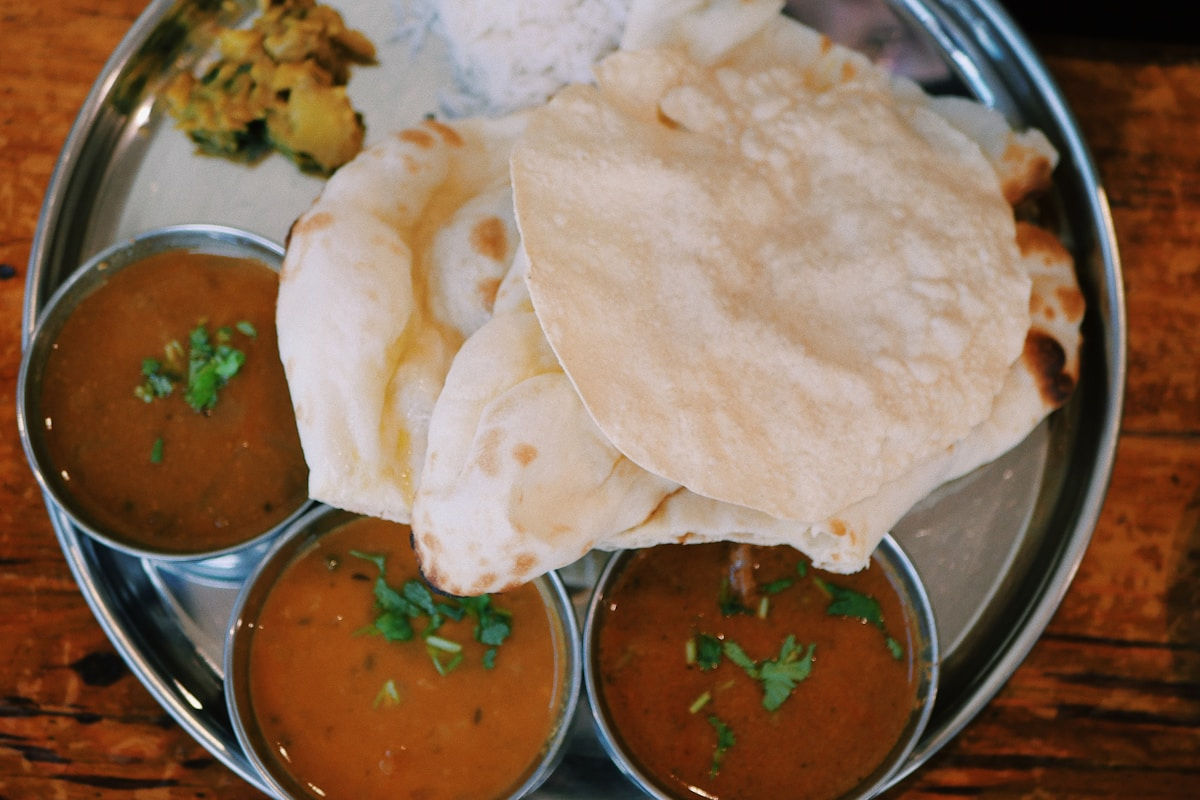
Your next butter chicken might show up in Marriott packaging and bhai, you will not even have to leave your couch. Indian hotels and airlines have quietly started listing on Swiggy, Zomato, and their own direct delivery channels, and the food delivery space just got a whole lot more interesting. The hospitality industry looked at the Rs 90,000 crore food delivery market and decided it was done watching from the sidelines. This is not some quiet experiment either.
Taj Hotels launched Qmin during the pandemic. Four years later, it is a standalone delivery platform in over 40 cities with a weekly rotating menu. ITC Hotels runs an app with menus from chefs at ITC Maurya in Delhi and ITC Grand Chola in Chennai. Marriott has tied up with aggregators across India to push room service straight to apartments. Even IndiGo, known for charging you for water, is exploring cloud kitchen tie-ups to monetize catering beyond 35,000 feet.
None of these brands are treating this as a side hustle, yaar.
The logic is almost too obvious when you think about it. Hotels have industrial-scale kitchens, trained chefs, established supply chains, and brand trust that most cloud kitchens could never dream of building. Their cost of acquiring a new customer through food delivery is a fraction of what it costs to fill a hotel room. A biryani order from a Taj property might net them Rs 800 in revenue with kitchen capacity they are already paying for regardless.
That is pure margin, and every hotel CFO in the country knows it now.
Why This Food Delivery Move Scares Swiggy and Zomato
The real threat is not the food itself, matlab it is the brand premium. When a five-star hotel lists on Zomato, they bring credibility that no influencer campaign and no cloud kitchen rebrand can manufacture. Consumers who would never order from a random kitchen called Biryani Blues will absolutely tap ITC Kitchens or Taj Qmin without a second thought.
Zomato and Swiggy together still control more than 90 percent of India's organised food delivery market, and that concentration built over a decade is exactly what a hotel-branded challenger with decades of goodwill wants to chip away at.
The trend is accelerating faster than anyone predicted. Marriott Bonvoy and Swiggy just launched a first-of-its-kind loyalty tie-up, letting users earn hotel-stay points on everyday food orders, and Skift flagged the same shift this week. Indian food delivery is growing at 25 percent year on year while hotel occupancy rates still have not fully recovered to 2019 levels.
Why not send it to your door, arre?
What This Means for Your Next Dinner Order
This shift connects to a bigger story about how India eats in 2026. The same country where regional flavors are becoming a global obsession is now seeing five-star kitchens compete with your neighborhood dhaba on an app. The lines between fine dining and casual weeknight ordering are blurring fast, and sab log across metro and tier-2 cities alike are still figuring out where this ends up.
Indians finally treating food as travel, not just fuel, already primed this appetite. Hotels entering delivery is just that same craving showing up on your phone at 9 PM instead of on a vacation itinerary in Goa or Gangtok.
But hotels are not walking into this without baggage. Running a five-star kitchen for two hundred dine-in covers a night is not the same skill as running a delivery operation timed to the minute, and one soggy naan review on Zomato bruises a five-star name far more than it bruises an anonymous cloud kitchen.
That is the risk hiding in plain sight, yaar.
IHCL is not waiting around either. It is pushing Qmin into the quick-service space next, chasing a Rs 200 crore brand target within a few years, per industry reports, betting that scale and brand recall fix the delivery problem before bad reviews do any real damage.
So bhai, would you actually trust a five-star kitchen with your 9 PM Maggi-tier cravings, or is Qmin just Instagram bait?


Comments